 by Bangla Krishi Khamar
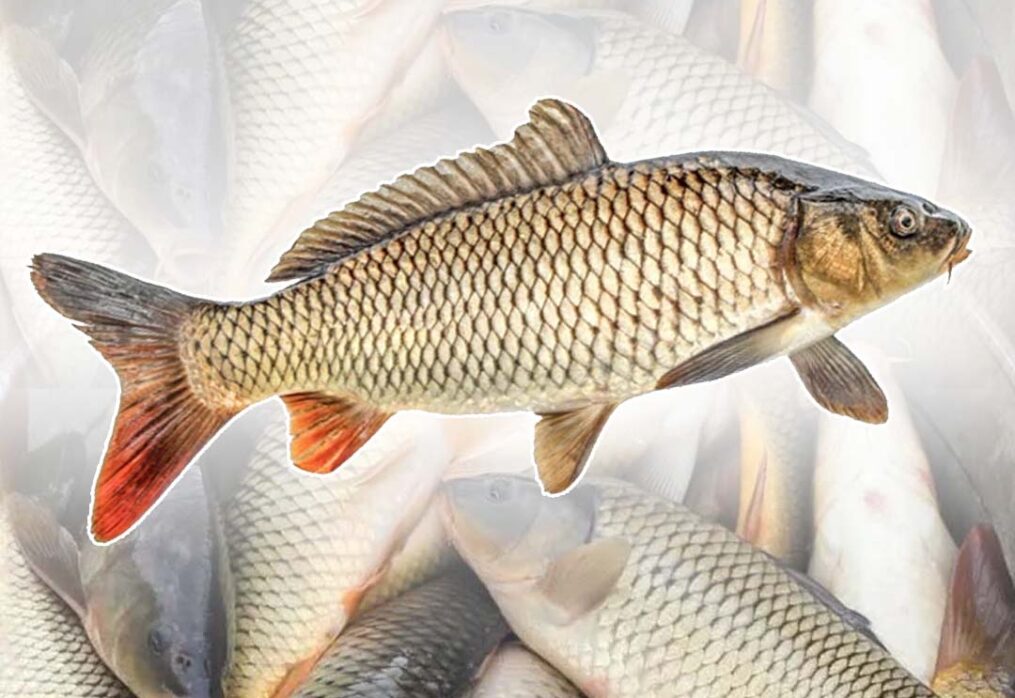
Amur Common Carp Fish Farming in India
Amur Common Carp has recently emerged as a promising addition to India’s aquaculture sector. Known for its rapid growth, high nutritional value, and strong market demand, this fish species is becoming increasingly popular among fish farmers. Amur Common Carp Farming is proving to be a profitable venture that can significantly contribute to India’s rural economy and food security.
In this guide, we will explore detailed information about Amur Common Carp Fish, its farming methods, environmental requirements, feeding and disease management, and marketing strategies. We will also discuss the potential and challenges of Amur Common Carp Farming in India.
About Amur Common Carp Fish
Scientific Name: Cyprinus rubrofuscus
Family: Cyprinidae (Carp Family)
Origin: Native to China, Japan, and parts of Southeast Asia; now widely cultured across India.
Characteristics of Amur Common Carp
- Size: Fully grown fish can reach 60–90 cm in length.
- Weight: With proper management, it can grow up to 2–5 kg.
- Color: Usually golden-brown, though red, black, or white variants also occur.
- Lifespan: Can live up to 20 years in natural conditions.
Nutritional Value Amur Common Carp is rich in:
- High-quality Protein
- Omega-3 Fatty Acids
- Vitamin B Complex
- Minerals like Phosphorus, Selenium, and Potassium
Ideal Conditions for Amur Common Carp Fish Farming
The success of Amur Common Carp Farming depends largely on suitable environmental and water conditions.
a) Type of Pond:
Earthen ponds of 0.5 to 1 hectare are most suitable.
b) Water Depth:
- Minimum: 1.5 meters
- Maximum: 3 meters
- Ideal: 2–2.5 meters
c) Water Quality:
- Temperature: 20–30°C (Ideal 25–28°C)
- pH Level: 6.5–8.5
- Dissolved Oxygen: Above 5 ppm
- Ammonia: Below 0.05 ppm
d) Soil Type:
- Loamy soil is most suitable.
- Clayey soil may also work but requires regular water exchange.
e) Climate:
- Warm and temperate climates are ideal for growth.
- Indian climatic conditions are highly favorable for Amur Common Carp Farming.
Amur Common Carp Farming Method in India
Step 1: Pond Preparation
- Dry and clean the pond thoroughly.
- Apply lime at 1 kg per decimal to improve soil quality.
- Use organic manure such as cow dung or poultry litter.
- Fill the pond with water and keep it for 7–10 days before stocking.
Step 2: Amur Common Carp Seed Stocking
- Select healthy and active seeds.
- Stock 25–30 seeds per decimal.
- Seed size should be 3–5 inches.
Step 3: Feeding Management
- Natural Feed: Plankton, aquatic insects, and small organisms.
- Supplementary Feed: Corn, wheat bran, rice bran, soybean meal, fish meal.
Step 4: Water Management
- Regularly monitor water parameters.
- Change water when needed.
- Use aerators to maintain oxygen levels.
Step 5: Disease Control
- Observe fish health regularly.
- Common diseases include Aeromonas, Columnaris, and White Spot Disease.
- Maintain water quality and provide balanced feed to prevent infections.
Step 6: Harvesting
- Fish can be harvested after 6–8 months of rearing.
- Partial harvesting allows continuous production.
Feeding System for Amur Common Carp
a) Natural Feed:
- Phytoplankton and Zooplankton are major natural foods.
- Aquatic insects and algae are also beneficial.
- Use organic fertilizers (2–3 kg per decimal weekly) to promote plankton growth.
b) Supplementary Feed Composition:
- Grains (Corn, Wheat, Rice): 40–50%
- Protein Sources (Soybean meal, Fish meal): 25–30%
- Vitamins & Minerals: 2–5%
c) Feeding Rate:
- Fingerlings: 8–10% of body weight/day
- Adult Fish: 3–5% of body weight/day
d) Feeding Schedule:
- Twice daily — Morning (8–9 AM) and Evening (4–5 PM)
- Adjust feeding rates according to season (less in winter, more in summer).
e) Feed Quality:
- Protein: 28–32%
- Carbohydrate: 40–45%
- Fat: 6–8%
Marketing Strategies for Amur Common Carp Fish
1. Market Research:
- Study demand trends in local and national markets.
- Analyze competitor pricing and consumer preferences.
2. Quality Assurance:
- Use ice boxes for safe storage and transportation.
- Process and package fish hygienically.
3. Pricing:
- Calculate costs and determine a profitable selling price.
- Adjust prices seasonally to match demand.
4. Distribution:
- Sell directly in local fish markets.
- Partner with wholesalers and retailers.
- Utilize online fish trading platforms for wider reach.
5. Promotion:
- Use social media and YouTube (such as Bangla Krishi Khamar Channel).
- Participate in local fairs and exhibitions.
- Highlight the nutritional and health benefits of Amur Common Carp Fish.
6. Customer Relationship:
- Gather feedback and respond promptly to queries.
- Maintain consistent quality to build trust and loyalty.
Opportunities and Challenges in India
Opportunities:
- High market demand and export potential.
- Enhances rural income generation.
- Rich source of nutrition and protein.
- Environment-friendly and sustainable farming.
- Can be integrated with other fish species for polyculture.
Challenges:
- Lack of technical knowledge among farmers.
- Limited access to institutional credit.
- Emerging fish diseases and lack of trained manpower.
- Poor storage and transportation infrastructure.
- Climate variability affecting water quality.
Amur Common Carp Farming in India is an excellent livelihood opportunity for aquaculture farmers. With proper pond management, quality feed, and smart marketing, it ensures both profitability and sustainability.
As one of India’s leading fish seed suppliers, Bangla Krishi Khamar continues to support farmers through quality Amur Common Carp Seeds, expert guidance, and nationwide oxygen-packed delivery