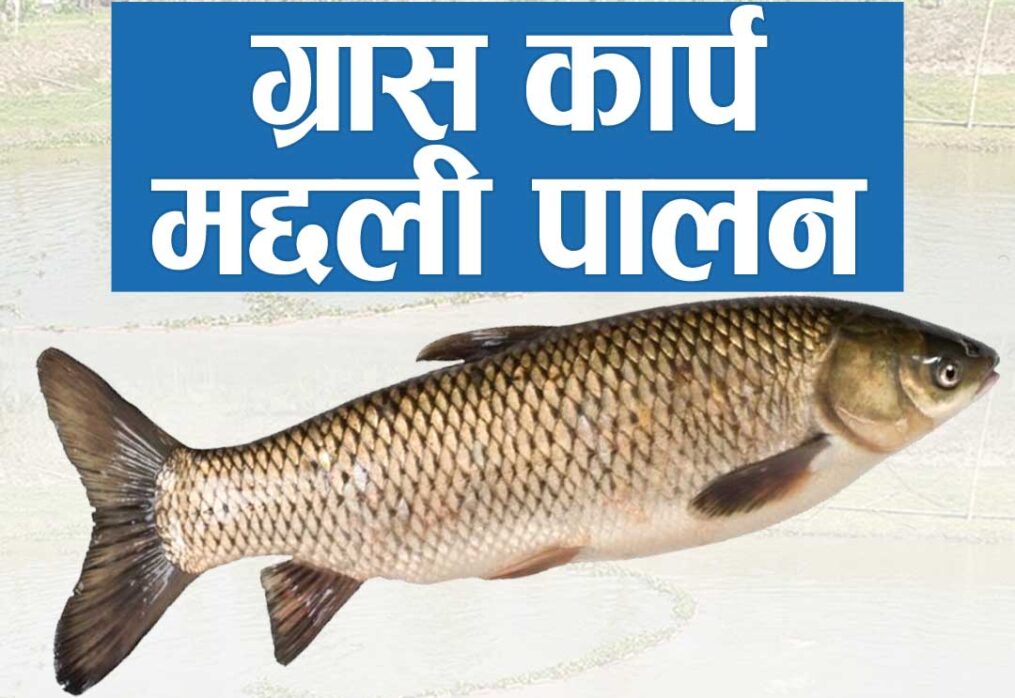
 by Bangla Krishi Khamar
Grass Carp Fish Farming in India
(An Educational Guide by Bangla Krishi Khamar – Fish Seed Hatchery & Supplier, Kolkata)
Introduction:
The Importance of Grass Carp in Indian Aquaculture. Grass Carp (Ctenopharyngodon idella) is one of the most important freshwater fish species in India’s aquaculture sector. Known for its fast growth, herbivorous diet, and environmental benefits, this species plays a vital role in maintaining the ecological balance of ponds and enhancing farmers’ income.
Scientific Classification and Features
- Scientific Name: Ctenopharyngodon idella
- Family: Cyprinidae (Carp Family)
- Native Origin: China and East Asia, now widely farmed in India
Physical Characteristics:
- Length: 60–100 cm (can reach up to 1.5 meters)
- Weight: Usually 20–35 kg; sometimes up to 45 kg
- Color: Dark greyish-green back, silvery sides, and whitish belly
- Body Shape: Elongated, slightly flattened, covered with large scales Mouth: Broad and toothless, suitable for plant feeding.
Life Cycle and Breeding
- Lifespan: 5–9 years on average.
- Breeding Season: Spring to early summer (February –September )
- Fecundity: A single female can produce 3–4 lakh eggs per spawning
- Hatching Time: 24–48 hours.
Feeding Habits
- Grass Carp is purely herbivorous, feeding mainly on:
- Aquatic weeds (Hydrilla, Vallisneria, etc.)
- Grasses and algae
- Crop residues (paddy straw)
- Artificial feed in culture systems
A mature Grass Carp can consume 40–300% of its body weight in vegetation daily, making it an excellent species for aquatic weed control.
Grass Carp Fish Farming in India – Step-by-Step Method
Pond Preparation
- Size: Minimum 99 decimals
- Depth: 1.5–2 meters
- Sunlight: Choose an open area with full sunlight.
Preparation Steps:
- Drain and dry the pond bottom
- Apply lime @ 1 kg per decimal
- Use cow dung and DAP fertilizer to boost natural productivity.
Stocking of Grass Carp Fish Seed :
- Stocking Time: Early monsoon (March –October )
- Seed Size: Fry, Fingerling
- Density: 8–10 fish per decimal
- Polyculture Option: Can be cultured with Catla, Rohu, and Mrigal.
Grass Carp Fish Seed Availability:
Bangla Krishi Khamar supplies high-quality Grass Carp Fish Seed across India. Fast delivery and customized seed size options available.
Feeding Management:
Natural Feed: Aquatic plants and grasses Supplementary Feed Composition:
- Rice bran – 30%
- Wheat bran – 30%
- Mustard oil cake – 20%
- Fish meal – 20%
- Feeding Rate: 3–5% of total fish body weight per day.
Water Management:
- Regular monitoring of pH, dissolved oxygen, and ammonia.
- Replace 25–30% of pond water monthly
- Use aerators for better oxygenation
Disease Control:
- Observe fish behavior regularly
- Remove infected fish immediately
- Use Potassium Permanganate (KMnO₄) for disinfection.
Harvesting:
- Culture Period: 8–10 months
- Harvest Method: By seine net or by partial draining.
Economic Importance and Benefits:
1. High Productivity & Profitability
- Production: 3–4 tons per hectare
- Faster Growth: Ready for market within 6–8 months
- Low Feed Cost: Mostly plant-based diet
2. Market Demand & Opportunities:
- High consumer demand in Indian markets
- Export potential for processed products
3. Employment Generation:
- Direct: Fish farmers, hatchery workers, processors
- Indirect: Traders, transporters, feed manufacturers
4. Rural Economic Impact:
- Increased income for rural farmers
- Poverty reduction through aquaculture
- Better nutritional security (protein source)
Future Prospects of Grass Carp Fish Farming in India:
- 1. Genetic Improvement: Development of disease-resistant and fast-growing strains
- 2. Market Expansion: Value-added products (Grass Carp fillets, fish fingers, canned fish)
- 3.Organic fish farming for premium markets
- 4. Research & Development: Climate-resilient species and improved feed conversion
- 5. Integrated Farming Systems: Eco-friendly and multi-cropping approaches
- 5.Government & Institutional Support: Subsidies, loans, and export incentives
- 6. Training & Awareness: Farmer workshops and youth entrepreneurship programs
Conclusion:
Grass Carp fish farming in India is a profitable and sustainable venture for small and large-scale fish farmers alike. Its fast growth, low-cost feed, and ecological benefits make it one of the most promising aquaculture species.
At Bangla Krishi Khamar, we are committed to supporting Indian fish farmers with superior-quality Grass Carp Fish Seed, technical guidance, and reliable nationwide delivery.