 by Bangla Krishi Khamar
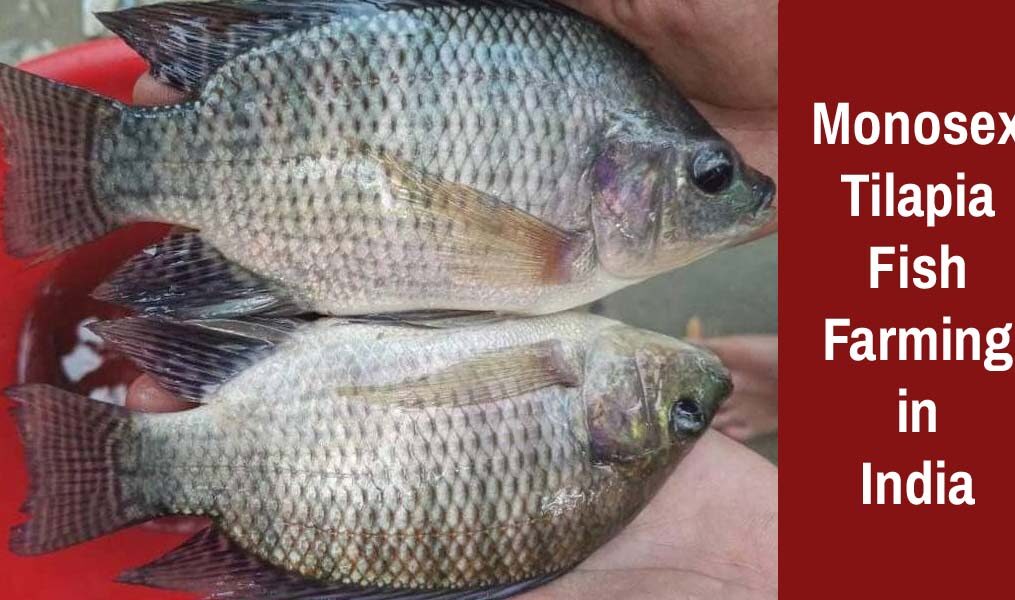
Monosex Tilapia Fish Farming in India
Monosex Tilapia Fish Farming in India has become one of the most popular and profitable aquaculture methods today. In this modern technique, tilapia fish are cultured in a single-sex environment — mostly males — which ensures faster growth, higher yield, and better market demand at lower production costs.
Tilapia fish are well known for their delicious taste, strong disease resistance, and rapid growth, making them a major source of income for fish farmers across India.
Importance of Monosex Tilapia Fish Farming
Fish farming plays a crucial role in strengthening India’s rural economy. By adopting Monosex Tilapia Fish Farming, farmers can earn substantial profits even with limited space and investment. In this system, male tilapia fish are primarily used because they grow faster, utilize feed efficiently, and reach market size quicker than females.
As a result, compared to conventional mixed-sex culture, monosex farming offers significantly higher returns within the same time period.
What is Monosex Tilapia Fish Farming and Why is it Important?
Monosex Tilapia Fish Farming is an advanced aquaculture practice where only male tilapia are cultured. Normally, tilapia fish ponds contain both males and females, but the females frequently lay eggs, slowing down growth and reducing overall production.
To solve this issue, the monosex technique was developed — focusing on cultivating only male fish that grow faster, consume feed efficiently, and reach marketable size within a short period.
In the Indian context, where farmers often depend on small water bodies for income, this farming method has proven to be a game-changer — helping them earn more within a shorter time and with lower costs.
Why Monosex Tilapia Farming is More Profitable
The major reasons behind the popularity and profitability of monosex tilapia farming are:
- Rapid Growth – Male tilapia grow much faster than females, allowing harvesting within just 4–5 months.
- Better Feed Utilization – Female fish waste feed due to spawning; males use feed entirely for growth.
- High Market Demand – Uniform-sized, tasty, and healthy fish fetch higher prices in the market.
- Low Cost, High Return – Efficient feed conversion and space utilization reduce production costs.
- Multiple Crops per Year – Since fish mature quickly, farmers can harvest 2–3 crops annually — something not possible with other species.
With proper pond management and high-quality fish seed, a farmer can earn several lakhs per year from just one bigha of pond.
Pond Preparation for Monosex Tilapia Fish Farming
The success of Monosex Tilapia Fish Farming largely depends on proper pond preparation. A well-prepared pond ensures healthy growth, disease resistance, and efficient feed utilization.
Site Selection
Choose a pond location that receives full sunlight throughout the day, as sunlight promotes natural feed (plankton) production. The site should not be too low-lying to avoid flooding, and clayey soil is ideal because it retains water effectively.
Cleaning and Disinfection
First, drain or dry the pond completely and remove unwanted weeds, harmful fish, and frogs. Apply lime (1–1.5 kg per decimal) to disinfect the pond water and improve its quality. After liming, wait 7 days before refilling the pond with fresh water.
This step creates a healthy and disease-free environment for fish cultivation — the foundation for successful monosex tilapia farming.
Quality Fish Seed Selection and Stocking Density
Using high-quality fish seed is the most critical step in achieving success. Without strong and healthy seed, even the best management cannot produce desired results.
Always purchase Monosex Tilapia Fish Seed from a reputed hatchery such as Bangla Krishi Khamar, India’s No.1 Monosex Fish Seed Hatchery, based in Kolkata and operating pan-India.
Stocking Density
Maintaining proper stocking density is key. Overstocking leads to feed competition and oxygen shortage, while understocking reduces overall yield. For profitable production, follow a moderate stocking density suited to your pond size and water quality.
Feed Management in Monosex Tilapia Fish Farming
Proper feeding management is the backbone of successful tilapia farming. Without nutritious feed, fish will not grow properly, their immunity will weaken, and production costs will increase.
Natural vs. Artificial Feed
Ponds naturally produce plankton, algae, and small organisms that serve as feed, but these are not sufficient for commercial-scale production. Artificial (pellet) feed containing the right balance of protein, carbohydrates, vitamins, and minerals must be provided for rapid growth and better yield.
Feeding Frequency
- Fingerlings: 4–5 times daily
- Medium-sized fish: 2–3 times daily
- Market-sized fish: 2 times daily
Observe fish during feeding. If feed disappears quickly, the quantity is right. If it remains floating, reduce the amount to prevent water pollution.
Care and Disease Prevention
Consistent care and preventive measures are essential for long-term success. Poor water quality or neglect can lead to disease outbreaks and financial losses.
Daily Monitoring
Check ponds twice a day — morning and evening. If fish come to the surface gasping, it indicates low oxygen levels; aeration or partial water exchange is needed.
Monitor water color, smell, and fish behavior regularly.
Preventive Measures
- Apply lime and salt periodically to maintain water quality and reduce bacterial growth.
- Avoid overfeeding to prevent water pollution.
- Quarantine new fish for 2–3 days before releasing them into the main pond.
Following these simple practices greatly reduces the risk of disease.
Cost and Profit Analysis of Monosex Tilapia Farming
Monosex tilapia farming is not only efficient but also highly profitable. Proper budgeting and monitoring can help identify areas for improvement and maximize returns.
Initial Investment
- Pond preparation (excavation, liming, water supply setup)
- Purchase of quality monosex fish seed
- Feed and supplements
- Equipment (nets, aerators, water pumps, etc.)
Production Cost per Kg
Feed costs make up the largest portion, followed by minor expenses for lime, water management, and disease prevention. Overall, per kg production cost remains low compared to market price, ensuring quick profitability.
Expected Returns
Due to rapid growth and strong market demand, tilapia farming allows multiple harvests per year, increasing total yield and income. With good management, a 1-bigha pond can generate several lakhs annually.
Tips for New Farmers
To Increase Production Quickly:
- Use high-quality fish seed from a trusted hatchery.
- Provide balanced, protein-rich feed on schedule.
- Ensure adequate oxygen levels with aeration.
Avoid Common Mistakes:
- Over- or under-stocking the pond
- Poor feed and water quality management
- Delayed treatment during disease outbreaks
- Lack of sunlight exposure in ponds
Long-Term Success Tips:
- Regular pond monitoring and water testing
- Maintain feed quality and quantity
- Consult experienced farmers or aquaculture experts
- Address minor issues promptly before they escalate
Conclusion: Sustainable Income through Monosex Tilapia Fish Farming in India
Monosex Tilapia Fish Farming in India is more than just a modern aquaculture method — it’s a sustainable income opportunity for both new and experienced farmers.
With proper pond preparation, high-quality fish seed, efficient feeding, and careful management, farmers can achieve rapid growth, higher yields, and consistent profits year after year.
By following the expert guidance of Bangla Krishi Khamar, India’s leading Monosex Fish Seed Hatchery, fish farmers can transform their ponds into profitable, disease-free, and sustainable aquaculture ventures.